
| 일 | 월 | 화 | 수 | 목 | 금 | 토 |
|---|---|---|---|---|---|---|
| 1 | 2 | 3 | ||||
| 4 | 5 | 6 | 7 | 8 | 9 | 10 |
| 11 | 12 | 13 | 14 | 15 | 16 | 17 |
| 18 | 19 | 20 | 21 | 22 | 23 | 24 |
| 25 | 26 | 27 | 28 | 29 | 30 | 31 |
- 독서해야하는이유
- 독서칼럼
- 페이코인
- 티스토리챌린지
- 독서방법
- 자기계발책
- 독서단점
- 금리종류
- 오블완
- 금리용어
- 신년목표
- 경제경영책추천
- 새해목표
- 재테크책
- 새해결심
- 책읽는방법
- 책추천
- 인플레이션
- 독서법
- 공모주란
- 경제책추천
- 독서장점
- 자기계발
- 대차대조표계정과목
- 금리개념
- 독서하는방법
- 경영책추천
- 재테크책추천
- 책리뷰
- 자기계발책추천
- Today
- Total
공부해 태이야
What are the Geographical and Cultural Similarities and Differences Between Korea and Japan? 본문
What are the Geographical and Cultural Similarities and Differences Between Korea and Japan?
태이야태이 2026. 5. 30. 14:28
Japan and South Korea are two of East Asia's most dynamic and influential nations.
Geographically separated by only a narrow strait of water, these two neighbors share thousands of years of historical, cultural, and political interactions.
While they may appear remarkably similar to an outside observerㅡsharing Confucian roots, a love for technology, and global pop-culture dominanceㅡa closer look reveals distinct geographical realities and deeply constrasting cultural identities.
Understanding these nuances is essential for anyone interested in East Asian history, business, or society.
1. Geographical Perspectives
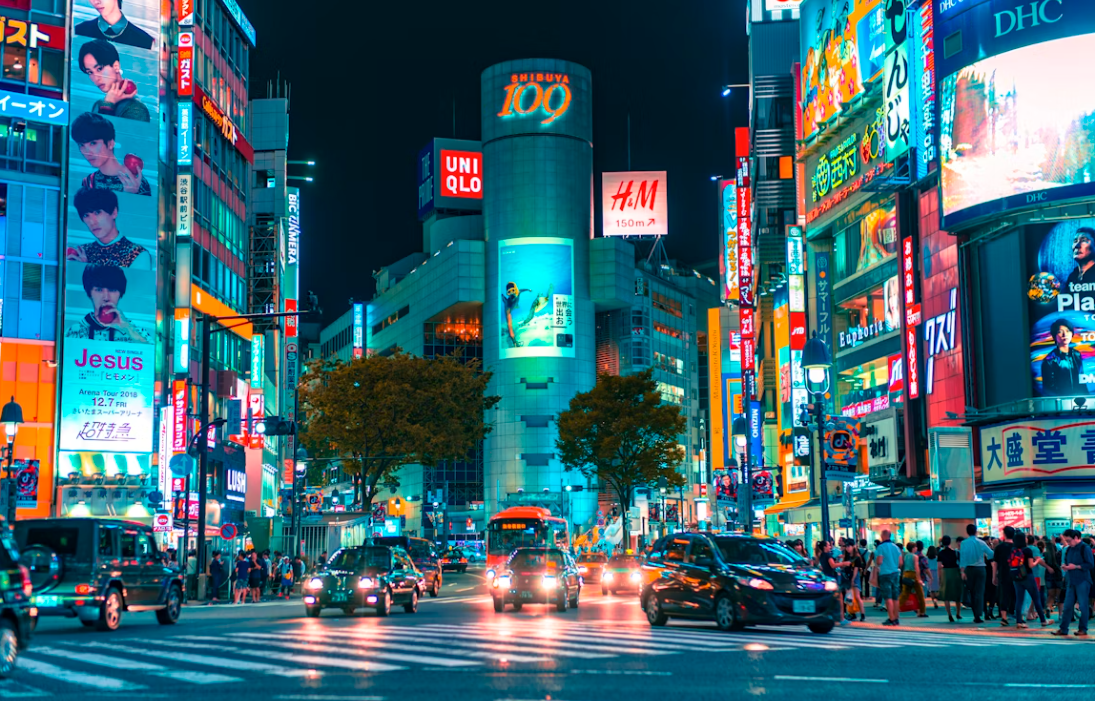
The Similarities: Mountainous Terrains and Vibrant Seasons
From a geographical standpoint, Korea and Japan share several environmental and climatic features due to their close proximity in the North Pacific region.
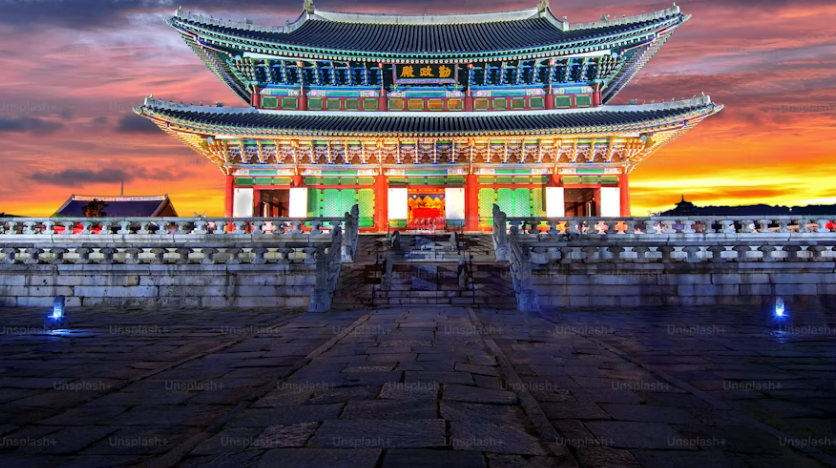
- Mountainous Landscapes: Visitors to both countries will immediately notice that flat land is a luxury. Approximately 70% of the Korean Peninsula is mountainous, dominated by the Taebaek mountain range. Similarly, about 73% of Japan's land is mountainous, shaped by dramatic rugged peaks, including the famous Mount Fuji.
This shared geography historically isolated villages, leading to strong local dialects and regional identities in both nations.
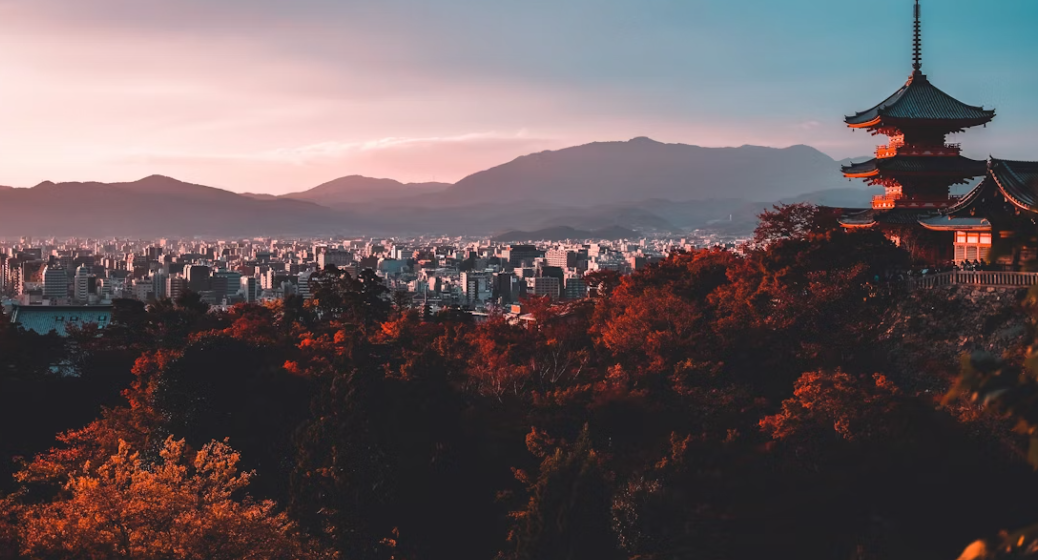
-Distinct Four Seasons: Both Korea and Japan experience four clear seasons: spring, summer, autumn, and winter. Cherry blossoms in spring, hot and humid summers, colorful autumn leaves, and snowy winters are common images associated with both countries.
These seasonal changes have strongly inlufenced food, clothing, festivals, and even emotional expressions in Korean and Japanese cultures.
However, despite thses similarities, the geographical conditions of Kroean and Japan are not idential. These differences have shaped each country's lifestyle, economy, and national identity in different ways.
The Differences: Pensnisula vs. Archipelago
The most obvious geographical difference is that Korea is a peninsula, while Japan is an archipelago.
South Korea is located on the southern part of the Korea Peninula, connected to the asian continent through North Korea. Historically, this meant that Korean was more directly exposed to continental influences from China, Manchuria, and other parts of Northeast Asia. Ideas, religions, writing systems, agricultural techniques, and political institutions often entered Korea through land-based routes.
Japan, on the other hand, is made up of thousands of islands. Its island geography created both connection and separation. Japan received many cultural influences from the Asian continent.
Often, through Korea and China, but the sea also allowed japan to filter, modify, and localize those influences in its own way. This geographical distance helped Japan develop a strong senser of cultural uniqueness.

Natural Disasters and Environmental Conditions.
Another major difference lies in natural disasters, Japan is located on the Pacific Ring of Fire, making it one of the most earthquake-prone countries in the world. Earthquakes, tsunamis, and volcanic activity have deeply affected Japanese history.
The need to prepare for natural disasters has helped create a culture that emphasizes order, preparedness, and collective responsibility.
Korea also experiences natural disasters, such as typhoons, heavy rain, floods, and occasional earthquakes.
However, compared to Japan, large-scale earthquakes and vilcanic eurptions are much less common is south Korea. As a result, Korean cities and buildings have historically developed under different environmental pressures.
This contrast shows how geography does not simply describe land and climate. It also influences how people build homes, organize cities, educate children, and imagine safety.
2. Cultural Perspectives
The Similarities: Confucian Heritage and Group-Oriented Values
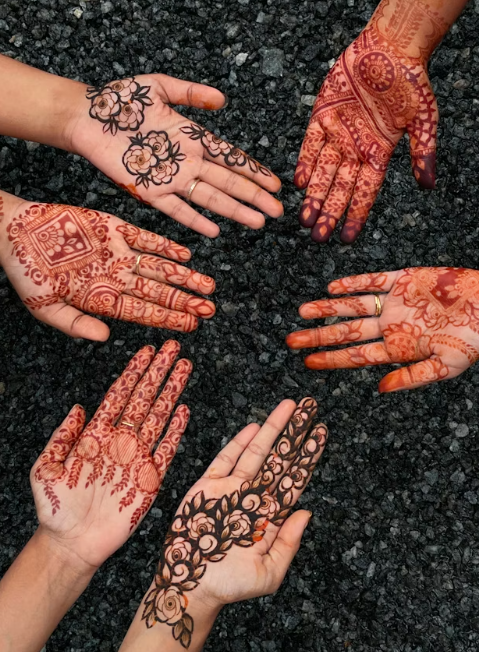
Culturally, Korea and Japan share several broad similarities. One of the most imporatnt is the influence of Confucianim. Although Confucianism. originated in China, it deeply shaped both Kroea and Japanese societies.
Respect for elders, emphasis on educaton, social hierarchy, family responsibility, and proper behavior are important values in both cultures.
In Korea, this can be seen in the use of honorific language, respect toward parents and teachers, and the importance of age in social relationships. In Japan, similar values appear in polite speech, formal manners, respect for seniority, and careful attention to social roles.
Both countries also tend to value group harmony. People are often expected to think about how their behavior affects others. Public manners, workplace culture, school life, and family expectations are strongly connected to the idea that on should not disturb the group.
This does not mean that Koreans and Japanese are all the same. Rather, it means that both societies have historically placed great importance on social relationships and collective order.
Shared Appreciation for Education and Hard Work
Another similarity is the strong emphasis on education and hard work. In both Korea and Japan, education has long been seen as a path to social success. Parents often invest heavily in their children's studies, and students face intense academic competition.

This educational culture is connected to economic development as well. South Korea and Japan both experienced rapid modernization and became major global economies. Their success was built partly on discipline, technological innovation, skilled labor, and strong work ethic.
Today, both countries are known for advanced technology, efficient public transportation, high-quality manufacturing, and globally influential brands.
Samsung, Hyundai, Toyota, Sony, Nintendo, and many other companies reflect the technological power of the region.

Popular Culture and Global Influence
Korea and Japan are also cultural powerhouses. Japan has long been known for anime, manga, video games, traditional design, cuisine, and fashion. Korea has gained enormous global influence through K-pop, K-dramas, Korean films, beauty products, and food culture.
Both countries have shown that culture can become a form of soft power. Their music, dramas, animation, food, and fashion influence how people around the world imagine East Asia.
However, the way Korea and Japan present themselves globally is somewhat different. Japanese pop culture often emphasizes imagination, craftsmanship, subtle emotion, and unique visual worlds. Korean pop culture often emphasizes emotional intensity, trend sentivitiy, fast production, and strong digital communication with global fans.
The Differences: Expressiveness, Social Communication, and Identity
Despite many shared cultural roots, Korea and Japan feel very different in everyday life.
Korean culture is often more emotionally direct and expressive. Koreans may speak with strong emotion, show closeness quickly, and value warm personal relationships.
The Korea concept of Jeong, often translated as deep affection or an emotional bond, reflects this tendency. Relationships in Korea can become intense, personal, and deeply loyal.
Japanese culture, by contrast, often places greater emphasis on emotional restraint, indirect communication, and maintainging social distance. people may avoid saying "no" directly. soften disagreement, and carefully read the atmosphere of a situation. The Japanese concept fo wa, or harmony, reflects the importance of avoiding open conflict and preserving balance within the group.
This difference can sometimes lead to misunderatandings. Koreans may sees Japanese communication as too indirect or distant, while Japanese people may sess Korean communication as too direct or emotionally strong. In reality, both styles have their own logic. They are different systems of politeness.

Language and Social Hierarchy
Language also reveals important cultural differences.
Korean and Japanese both have complex honorific systems. Speakers must adjust their language depending on age, status, familiarity, and social context. This shows how deeply hierarchy is embedded in both cultures.
However, Korean social relationships often place stronger emphasis on age. Even a one-year age difference can affect how people speak to each other. Terms such as "older brother," "older sister," "junior," and "senior" are not just family or school words; they shape everyday social relationships.
In Japan, hierarchy is also important, especially in schools and workplaces.
However, Japanese politeness often focuses more on social position, formality, and the distinction between inside and outside groups. The Japanese concepts of honne and tatemae, meaning private feelings and public behavior, show how people may separate what they truly feel from what they express socially.
Food Culture: Similar Ingredients, Different Sensibilities
Korean and Japanese food may look similar to outsiders because both use rice, fish, vegetables, soy sauce, seaweed, and fermented ingredients. However, the taste and philosophy of food are quite different.
Korean food is often bold, spicy, and communal. Kimchi, stew, grilled meat, side dishes, and shared meals reflect a culture of warmth and togetherness. Meals are often energetic and social.
Japanese food often emphasizes balance, seasonality, presentation, and the natural taste of ingredients. Sushi, ramen, tempura, miso soup, and traditional kaiseki meals show attention to detail, visual beauty, and subtle flavor.
In simple terms, Korean food often feels powerful and emotional, while Japanese food ofthen feels delicate and restrained. Of course, this is a generalization, but it helps explain the different cultural moods behind the cuisine.
Conclusion
Korea and Japan are close neighbors with many geographical and cultural similarities. Both are mountainous, seasonal, technologically advanced, and deeply influenced by Confucian values. Both societies respect education, social order, and collective responsibility. Both have also become global cultural leaders in the twenty-first century.;
Yet their differences are just as important. Korea's peninsula geography connected it more directly to the Asian continent, while Japan's island geography encouraged a stronger sense of separation and selective adaptation.
Japan's frequent earthquakes shaped a culture of disaster preparedness, while Korea's geographical conditions created different historical and social priorities.
Culturally, Korea often appears more emotionally expressive, relationship-centered, and direct.
Japan often appears more restrained, indirect, and harmony-centered. These differences can be seen in language, food, manners, communication styles, and popular cluculture.
Understanding Korea and Japan requires looking beyond surface-level similarities.
They are not simply "similar East Asian countries." They are two distinct civilizations shaped by different landscapes, historical experiences, and cultural choices. Their closeness makes comparison natural, but their differences make the comparison meaningful.
'우공이산: 어리석어 보일지라도 계속해서 노력하면 마침내 이룬다' 카테고리의 다른 글
| 세계 경제의 숨통, '호르무즈 해협'이란 무엇일까? (0) | 2026.05.14 |
|---|---|
| 디지털 마케팅 전략: 저비용으로 최대 효과를 얻는 방법 (0) | 2025.01.26 |
| 2025년 글로벌 경제 전망: 주요 이슈와 대응 방안 (0) | 2025.01.24 |
| 비트코인의 사상 최고가 경신: 암호화폐의 미래 (2) | 2025.01.22 |
| 윤석열 대통령 체포 사건, 대한민국 정치사에 남길 교훈 (0) | 2025.01.15 |


